
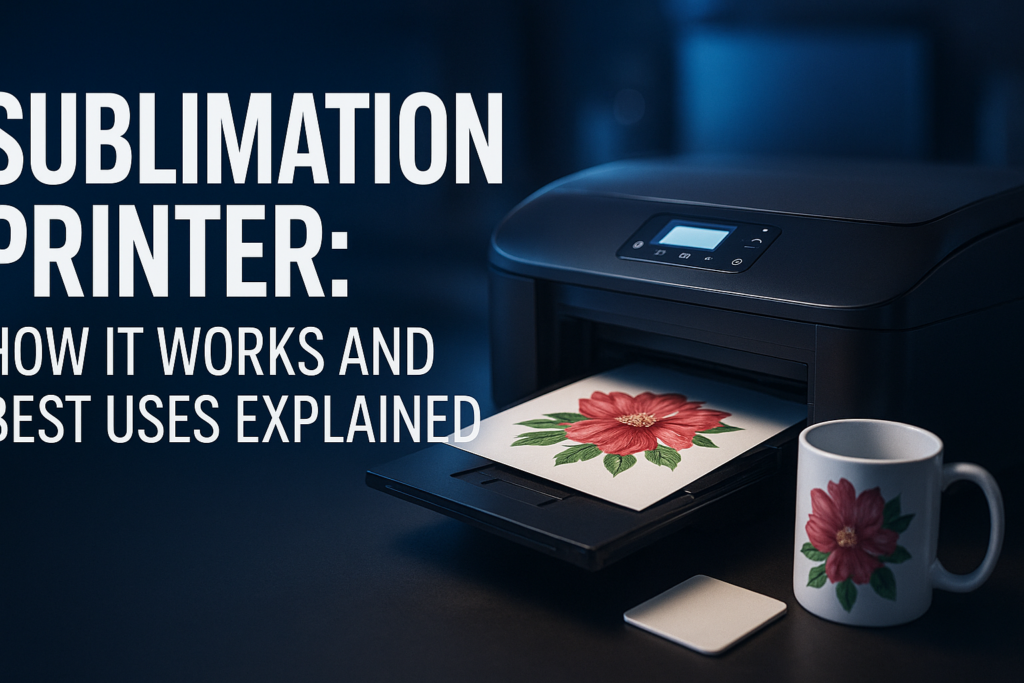

A sublimation printer stands at the core of vibrant, durable custom designs on fabrics, mugs, and a broad array of promotional products. If you want to create high-quality, long-lasting prints with vivid colors, understanding how sublimation printing works and selecting the right printer is essential. This guide will clarify every aspect of sublimation printers — from the technology behind them to practical buying tips and real-world usage examples.
What Is Sublimation Printing?
Sublimation printing is a cutting-edge digital printing process that transfers dye onto materials such as polyester fabrics or specially coated items using heat and pressure. The dye turns from a solid to a gas without becoming liquid, penetrating the surface fibers and embedding the image permanently.
This technique enables incredibly detailed, colorful, and durable prints that won’t crack, peel, or wash away easily. For businesses creating custom apparel or personalized gifts, sublimation printing offers a premium-quality finish that stands out.
How Does a Sublimation Printer Work?
A sublimation printer is specifically designed to handle sublimation inks — often dye-based and water-soluble. These printers print mirror images of designs onto sublimation transfer paper.
Here’s the typical process:
- Design Printing: The sublimation printer prints the design using special sublimation inks onto transfer paper.
- Heat Press Transfer: The printed transfer paper is placed onto polyester or polymer-coated substrates.
- Heat and Pressure: A heat press applies high temperature (around 350°F or 175°C) and pressure causing the inks to convert into gas and bond with the material.
- Final Product: After cooling, the transfer paper is removed revealing a vibrant, permanent print embedded into the substrate.
This process results in sharp, full-color images with excellent wash resistance, ideal for garments, mugs, mouse pads, and more.
Types of Sublimation Printers
| Printer Type | Typical Use | Advantages | Considerations |
|---|---|---|---|
| Desktop Sublimation Printers | Small shops, hobbyists, low volume production | Low upfront cost, compact footprint | Limited print size, slower speeds |
| Wide-Format Sublimation Printers | Commercial printing, large-scale apparel production | Large print area, faster speeds | Higher cost, larger space requirements |
| All-in-One Sublimation Printers | Integrated printing and heat transfer in one machine | Simplifies workflow, great for small businesses | Less flexibility in materials, relatively costly |
Key Features to Consider When Buying a Sublimation Printer
Choosing the right sublimation printer depends on your printing needs, budget, and level of expertise. Here are crucial features to evaluate before purchasing:
- Print Size and Speed: Assess your typical design dimensions and volume to pick a printer that balances speed and print area.
- Ink Compatibility: Not all printers support sublimation inks natively; some models require retrofitting or third-party inks.
- Resolution Capability: Higher resolution printers produce crisper images; look for 1440 dpi or above for professional results.
- Durability and Build Quality: A solid frame and reliable mechanics reduce downtime during extended use.
- Ease of Maintenance: Choose models with accessible ink cartridges and straightforward cleaning mechanisms.
- Software Support: Compatibility with design programs and print management software like Adobe Photoshop or CorelDRAW enhances productivity.
- Vendor Support and Warranty: Reliable after-sales service and warranty coverage save costs during unforeseen breakdowns.
Best Applications for Sublimation Printers
Sublimation printing thrives on polyester or polymer-coated substrates. This makes it ideal for:
- Custom Apparel: T-shirts, sports jerseys, leggings, and hats often use polyester bases for vibrant, moisture-wicking wearables.
- Promotional Products: Mugs, phone cases, mouse pads, and keychains benefit from sharp and full-color sublimation.
- Home Décor: Pillows, cushions, and even curtains with personalized patterns.
- Photography Prints: High-quality photo reproductions on fabric canvases.
One example is a small boutique printing custom pet portraits on polyester throw pillows using a desktop sublimation printer, meeting a niche demand with minimal overhead.
Sublimation Printer vs Other Printing Technologies
| Printing Technology | Material Compatibility | Color Quality | Durability | Cost Consideration |
|---|---|---|---|---|
| Sublimation Printing | Polyester fabrics, polymer-coated substrates | Exceptional, vivid, photo-quality | High, dye infuses into substrate | Moderate ink cost, requires special papers |
| Direct-to-Garment (DTG) | Cotton and cotton blends | Good color quality | Moderate, surface-level prints | High equipment cost |
| Screen Printing | Various fabrics, plastics | Good for solid colors | High durability | Cost-effective for large runs |
This comparison highlights sublimation’s superb color brightness and durability for the right substrates, though limited to polyester-type materials.
Maintenance and Troubleshooting Tips
Maintaining your sublimation printer ensures steady output and longevity. Here are practical tips:
- Regular Print Head Cleaning: Prevent clogs by running cleaning cycles frequently and using quality sublimation ink.
- Proper Ink Storage: Store sublimation inks in a cool, dry place to avoid degradation.
- Paper Handling: Use only recommended sublimation transfer paper to prevent jams and bleeding.
- Heat Press Calibration: Verify temperature and pressure settings regularly to achieve consistent transfer quality.
- Troubleshooting Common Issues: Ghosting can indicate heat press timing problems; streaks may suggest printhead issues needing immediate cleaning.
Frequently Asked Questions
What type of ink does a sublimation printer use?
Sublimation printers use dye-based sublimation inks formulated to convert directly from solid to gas under heat without turning liquid first.
Can I use a regular inkjet printer for sublimation?
Standard inkjet printers aren’t compatible with sublimation inks unless specially modified. Certified sublimation printers or converted Epson models work best.
Is sublimation printing suitable for cotton clothing?
Sublimation bonds to polyester fibers, so it generally doesn’t work well on cotton or non-polymer fabrics unless coated with a special polymer layer.
How long do sublimation prints last?
Because the ink becomes part of the fabric or coated substrate, sublimation prints can last many years without cracking or fading, even after multiple washes.
Where can I buy sublimation printers?
You can explore a variety of high-quality sublimation printers and detailed reviews at TheBestPrinter.net.
Final Thoughts and Recommendations
Investing in a sublimation printer opens creative and business opportunities in personalized product markets. Choosing the right model tailored to your production scale and material preferences maximizes quality and profitability. Balance print size, resolution, and user-friendly maintenance to keep your workflows efficient and prints flawless.
For in-depth comparisons, user reviews, and expert advice on the latest sublimation printers, visit TheBestPrinter.net. It’s an invaluable resource for anyone serious about sublimation printing success.

Leave a Reply