
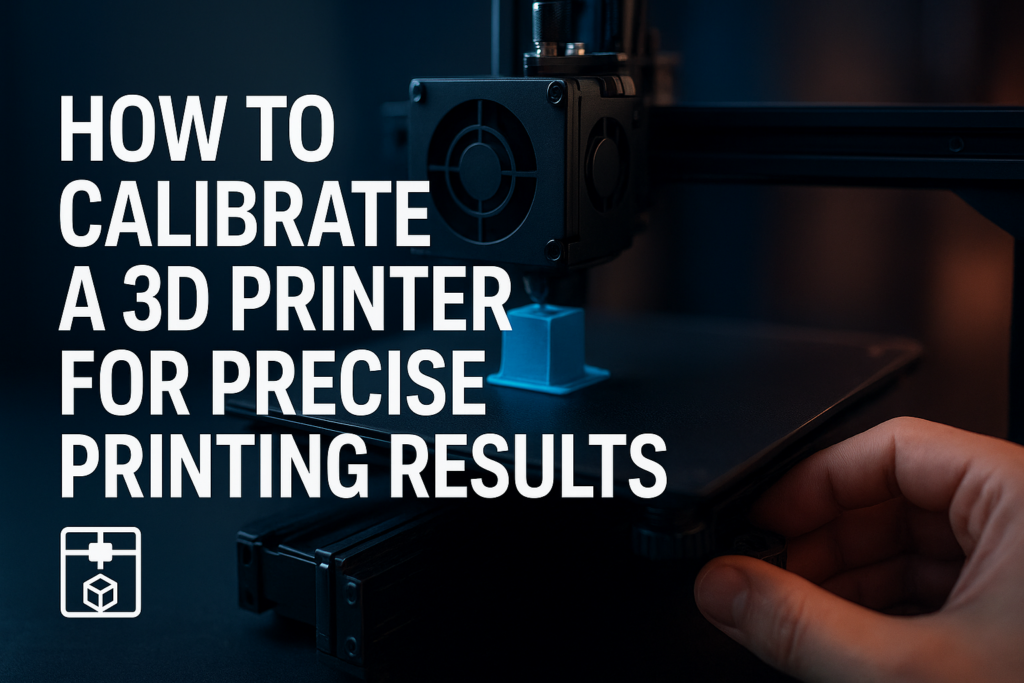

What Is a 3D Printer?
A 3D printer is a device that creates three-dimensional objects by adding material layer by layer, guided by digital files. Unlike traditional subtractive manufacturing, which carves objects out of a solid block, 3D printing uses an additive process. This technology transforms virtual designs into physical objects with remarkable precision.
This transformative technology has rapidly evolved from experimental prototypes to mainstream manufacturing tools across various sectors. From simple plastic prototypes to complex metal parts, 3D printing has shifted how businesses and individuals approach production and creativity.
How 3D Printers Work
A 3D printer operates in three fundamental stages:
- Design Creation: It begins with a 3D model, created using CAD software or scanned physical objects. This digital blueprint contains geometric information about the object.
- Slicing: The 3D model is sliced into many thin horizontal layers using software. This step converts the design into instructions the printer recognizes, often in G-code format.
- Printing: The printer deposits material layer by layer, building the object from the ground up. Each layer fuses with the previous one, gradually forming the final product.
Most filament-based 3D printers use Fused Deposition Modeling (FDM), which melts plastic filaments extruded through a heated nozzle. Other technologies, like Stereolithography (SLA), use ultraviolet light to cure liquid resin into solid layers. The choice of technology affects print quality, speed, and materials.
Types of 3D Printers
Understanding the primary types of 3D printers helps in matching technology to your specific needs:
| Type | How It Works | Pros | Cons | Common Use Cases |
|---|---|---|---|---|
| Fused Deposition Modeling (FDM) | Thermoplastic filament extruded through heated nozzle layer by layer | Affordable, easy to use, large build volumes | Lower resolution, visible layer lines | Prototyping, hobbyist models, educational use |
| Stereolithography (SLA) | UV laser cures liquid resin into solid layers | High precision, smooth finishes | Smaller build sizes, post-processing required | Dental molds, jewelry, intricate prototypes |
| Selective Laser Sintering (SLS) | Laser sinters powdered material (plastic, metal) into solid form | Strong functional parts, no support structure needed | Expensive equipment, powder handling required | Industrial parts, aerospace components |
| Digital Light Processing (DLP) | Projector flashes UV light to cure resin one layer at a time | Very fast prints with high detail | Limited build size, resin handling complexity | Dental, jewelry, prototype models |
Popular Materials Used in 3D Printing
The material choice is crucial as it impacts strength, flexibility, durability, and finish quality. Common 3D printing materials include:
- PLA (Polylactic Acid): Easy to print, bio-based, great for beginners and non-functional prototypes.
- ABS (Acrylonitrile Butadiene Styrene): Durable and impact-resistant, ideal for functional parts withstanding everyday use.
- PETG (Polyethylene Terephthalate Glycol): Combines strength and flexibility, good for mechanical parts and containers.
- Resins: Used in SLA and DLP printers, these offer fine detail and smooth surfaces, but can be brittle.
- Metal Powders: Materials like titanium, stainless steel, and aluminum for industrial applications requiring high strength and heat resistance.
- Nylon: Known for toughness and flexibility, suitable for functional prototypes and end-use parts.
Applications of 3D Printing
3D printing is reshaping manufacturing, design, and healthcare in diverse and impactful ways:
Prototyping and Product Development
Designers rapidly iterate concepts at lower costs, validating function and aesthetics without traditional tooling delays.
Healthcare
Custom prosthetics, surgical models, and even bioprinting tissues illustrate the customization and precision 3D printing offers medicine.
Aerospace and Automotive
Lightweight parts with complex geometries improve fuel efficiency and reduce waste, accelerating innovation cycles.
Education and Hobbyists
Classrooms and makerspaces use affordable 3D printers to teach engineering, art, and science, fostering creativity and technical skills.
Architecture and Construction
Models and even full-size building components demonstrate 3D printing’s potential in construction and urban planning.
How to Choose the Right 3D Printer
Selecting the right 3D printer depends on multiple factors:
- Purpose: Determine whether you need it for casual hobby printing, professional prototyping, or industrial part production.
- Build Volume: Consider the maximum object size you need to print. Larger build volume increases versatility but typically comes at higher cost.
- Print Resolution: Finer resolution delivers detailed and smooth prints but often slows down the process.
- Material Compatibility: Match your desired material types with printers capable of handling them.
- Speed vs. Quality: Some printers balance speed with decent quality for production runs; others prioritize ultra-high fidelity over speed.
- Ease of Use: User-friendliness, software interface, and available customer support are essential for beginners.
- Budget: Entry-level models start a few hundred dollars, while industrial-grade machines can cost tens of thousands.
For a detailed overview of top models, reviews, and expert recommendations, visit The Best Printer.
Maintenance and Troubleshooting Tips for 3D Printers
Consistent maintenance ensures longer life and better print results:
- Regular Calibration: Bed leveling and nozzle alignment impact print accuracy dramatically.
- Clean Print Bed: Residue can cause adhesion problems, affecting print quality.
- Replace Nozzles: Nozzles wear down or clog, so replacement keeps extrusion smooth.
- Lubricate Axes: Ensures smooth mechanical movement, reducing noise and wear.
- Firmware Updates: Enhancements and bug fixes can improve functionality and compatibility.
Common issues include warping, stringing, and layer adhesion problems. Adjusting temperature settings, print speeds, and filament humidity can often resolve these.
Frequently Asked Questions
What can you create with a 3D printer?
3D printers can create prototypes, custom tools, replacement parts, artistic models, dental appliances, jewelry, and even components for automotive and aerospace industries. The range depends on printer capabilities and materials used.
How much does a 3D printer cost?
Entry-level 3D printers can cost between $200 and $500, suitable for beginners and hobbyists. Mid-range machines range from $1,000 to $5,000, offering better resolution and materials. Industrial printers can cost tens of thousands of dollars depending on technology and build volume.
Which 3D printing material is best for beginners?
PLA is the most beginner-friendly material because it prints at lower temperatures, has minimal warping, and is made from biodegradable sources. It’s ideal for most basic models and prototypes.
Can 3D printers print metal?
Yes, metal 3D printers use Selective Laser Sintering (SLS) or Direct Metal Laser Sintering (DMLS) to fuse metal powders. These printers are common in aerospace, automotive, and medical implant manufacturing but tend to be expensive and require specialized environments.
How long does a 3D print take?
The duration depends on the object’s size, complexity, layer thickness, and printer speed. Small objects can print in under an hour, while large, detailed parts may take 10+ hours or even days. Optimizing settings is key to balancing speed and quality.
Putting It All Together
3D printing bridges creativity and manufacturing, offering unprecedented customization and rapid production. Whether crafting a bespoke prototype or fabricating industrial-grade metal parts, understanding printer types, materials, and applications empowers smarter choices.
For the most current printer options and in-depth reviews, explore The Best Printer to find a model that fits your needs and budget.
Mastering the selection, operation, and maintenance of a 3D printer can open new doors in design, engineering, and personal projects—making it an invaluable tool in the modern maker’s arsenal.

Leave a Reply